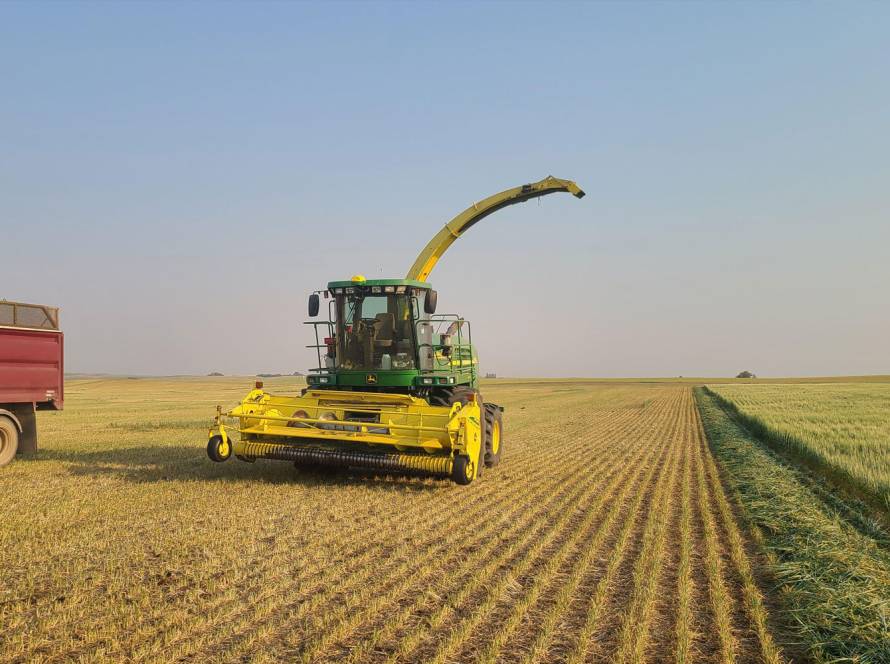
Canada is an established producer of barley, with production concentrated primarily across the Prairie provinces.
For international feed buyers, barley can provide a valuable grain option for livestock feeding programs, depending on specifications, pricing and destination requirements.
But purchasing Canadian feed barley commercially requires more than asking for a price per metric ton.
Origin, grade, test weight, moisture, foreign material, nutritional characteristics, cleaning, loading method and export requirements can all influence the transaction.
Why Canada Produces Barley
Barley is well adapted to many of the growing conditions found across Western Canada.
The Canadian Prairies—including Alberta, Saskatchewan and Manitoba—represent important grain-producing regions with established infrastructure connecting farms, elevators, processors, rail networks and export gateways.
For international buyers, this creates access to commercial grain supply from an established agricultural production region.
Feed Barley vs. Malting Barley
Not all barley is grown or purchased for the same purpose.
Malting barley must meet specific requirements for brewing and malt production.
Feed barley is purchased primarily for animal nutrition.
Western Forage’s commercial feed-grain discussions are focused on products appropriate for the customer’s intended feed market and required specification.
What Should Buyers Look for in Feed Barley?
Test Weight
- Test weight is an important commercial measurement when evaluating grain.
- Buyers should specify the minimum acceptable requirement for their market.
Moisture
- Moisture influences storage stability and commercial grain handling.
Purity & Foreign Material
- Depending on the intended market, buyers may establish requirements regarding foreign material and other grain.
Nutritional Characteristics
- Feed buyers may evaluate protein, energy-related characteristics and other measurements depending on the ration.
Cleaning
- Buyers should confirm whether the quotation is for standard commercial grain or a specifically cleaned product.
- This distinction can materially affect both specification and price.
Feed Barley for Livestock
Barley is used in feeding programs for cattle and other livestock.
However, its suitability and inclusion rate depend on processing, the overall ration and the animals being fed.
Commercial feed buyers should therefore consider grain analysis together with professional ration formulation.
Buying Canadian Barley for Export
International grain transactions require consideration of more than product quality.
Buyers should establish:
Required Specification • Quantity • Packaging • Destination • Incoterm • Import Requirements • Documentation
Depending on the transaction, grain may move in bulk or other commercial formats.
Export Documentation
Agricultural import requirements differ by destination.
Depending on origin, destination and commodity requirements, documentation may include commercial documents, certificates of origin, phytosanitary documentation or other destination-specific certificates.
Requirements should be confirmed before shipment.
Request Canadian Feed Barley
Commercial buyers should provide:
Destination Country • Port • Required Specification • Quantity • Packaging • Expected Monthly Volume
This allows the available supply and logistics to be evaluated properly.
Western Forage works with international buyers sourcing North American forage and agricultural feed products.